Canadian Forest Fires and Their Impact on Road Transportation in Massachusetts
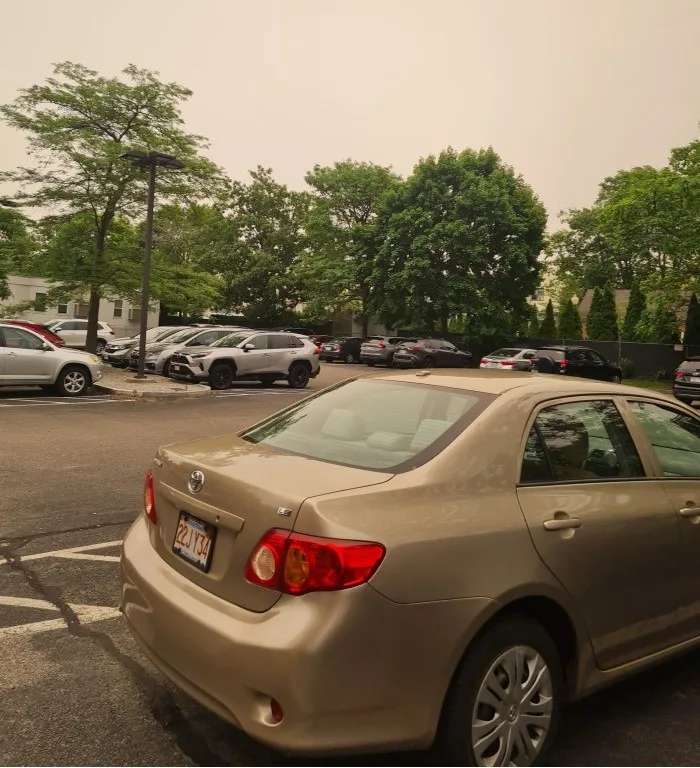
As a lifelong transportation expert and the founder of Boston Airport Express, I've spent decades helping travelers navigate the roads, highways, and airports of Massachusetts. Our service provides reliable, stress-free ground transportation to and from Logan International Airport, with convenient stops across the region. But in recent years, a growing challenge has emerged that affects not just the skies but our roads: smoke from Canadian forest fires.
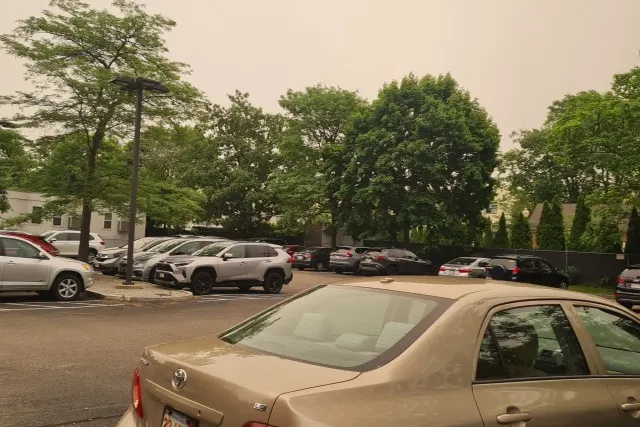
In mid-July 2026, plumes from wildfires in Ontario, Canada, and parts of Minnesota have drifted southward, blanketing New England with hazy, sometimes orange-tinted skies. This isn't a one-off event—similar episodes have occurred in prior years, including notable impacts in 2023 and 2025. As transportation professionals, we must understand how these events disrupt road travel, affect safety, and influence operations like ours.
The Science Behind the Smoke's Journey
Wildfire smoke, laden with fine particulate matter (PM2.5), travels hundreds of miles via upper-level winds and the jet stream. In this latest event, smoke has moved into the Interstate 95 corridor, affecting Massachusetts with milky or hazy skies and, at times, ground-level mixing that brings the distinctive campfire smell.
While much of the smoke often remains aloft, mixing can degrade air quality to "unhealthy for sensitive groups" levels, triggering alerts from the Massachusetts Department of Environmental Protection (MassDEP). This has been the case recently, with AQI readings climbing in areas like Boston.
Direct Impacts on Road Transportation
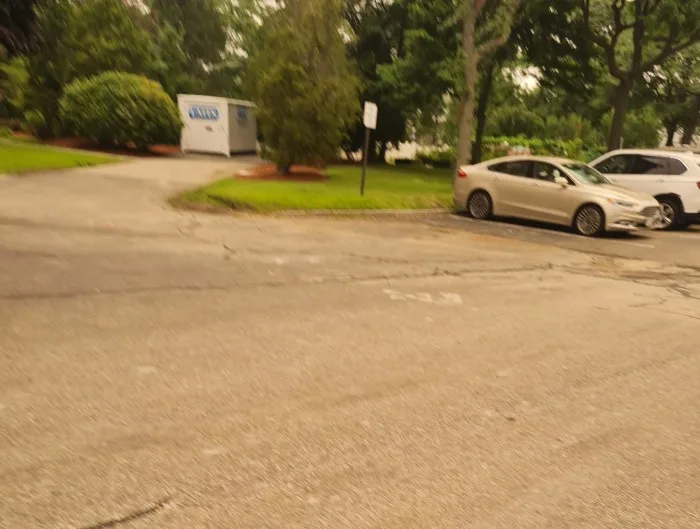
- Reduced Visibility and Driving Hazards Hazy conditions can significantly lower visibility, especially during dawn, dusk, or nighttime hours when the sun appears fiery orange. This mirrors past events where low visibility prompted operational pauses at Logan Airport. Drivers on major routes like I-90 (Mass Pike), I-93, I-95, and Route 128 should exercise extra caution, as smoke can create fog-like conditions that increase accident risks.
- Air Quality and Driver Health PM2.5 particles can irritate eyes, throats, and lungs. For professional drivers, delivery personnel, commuters, and rideshare operators, prolonged exposure is a concern—particularly for those with respiratory conditions, older adults, or children. Symptoms like coughing or shortness of breath may force breaks or reduced activity. Outdoor workers in transportation are especially vulnerable.
- Traffic and Operational Disruptions Poor air quality may lead to adjusted work schedules, increased fatigue, or route changes. In severe cases, events have caused flight delays at Logan, indirectly boosting demand for ground transport as passengers seek alternatives. Our Logan Express services have seen shifts in ridership during these periods, with more people opting for reliable, enclosed bus travel over personal vehicles.
- Broader Economic and Supply Chain Effects Massachusetts relies on efficient trucking for goods movement. Smoke events can slow logistics on key corridors, contributing to delays in freight and passenger transport. Long-term, more frequent wildfires (linked to climate patterns) could strain infrastructure planning and emergency response.
Safety Recommendations for Road Users
- Monitor Conditions: Check AirNow.gov or MassDEP alerts before travel. Use apps for real-time AQI and visibility reports.
- Drive Defensively: Reduce speed in hazy conditions, increase following distance, and use headlights appropriately.
- Protect Yourself: Keep windows closed and use recirculated air in vehicles. Sensitive individuals should limit outdoor time and consider N95 masks if necessary.
- Plan Ahead: For airport travel, book services like Boston Airport Express in advance. Our comfortable, climate-controlled coaches minimize direct exposure while providing dependable schedules from locations like Framingham, Woburn, and Back Bay.
Major Massachusetts Roads That May Be Affected During Wildfire Smoke Events
Canadian wildfire smoke can reduce visibility and slow traffic across Massachusetts, especially on busy highways and routes leading to Boston Logan International Airport. Travelers should allow extra time and drive with caution during poor air quality events.
Key roads that may be affected include:
- I-90 (Massachusetts Turnpike): Reduced visibility may lead to slower traffic, particularly during peak travel hours.
- I-93: Heavy commuter traffic combined with smoky conditions can make driving more challenging.
- Route 1: Haze and poor visibility may affect travel through eastern Massachusetts.
- Route 128 (I-95 Loop): Smoke-related conditions can contribute to slower traffic and reduced visibility.
- Logan Airport Access Roads: Airport travelers should plan for possible delays due to increased congestion and changing road conditions.
Before traveling, check traffic, weather, and air quality updates, and allow extra time for a safer journey.
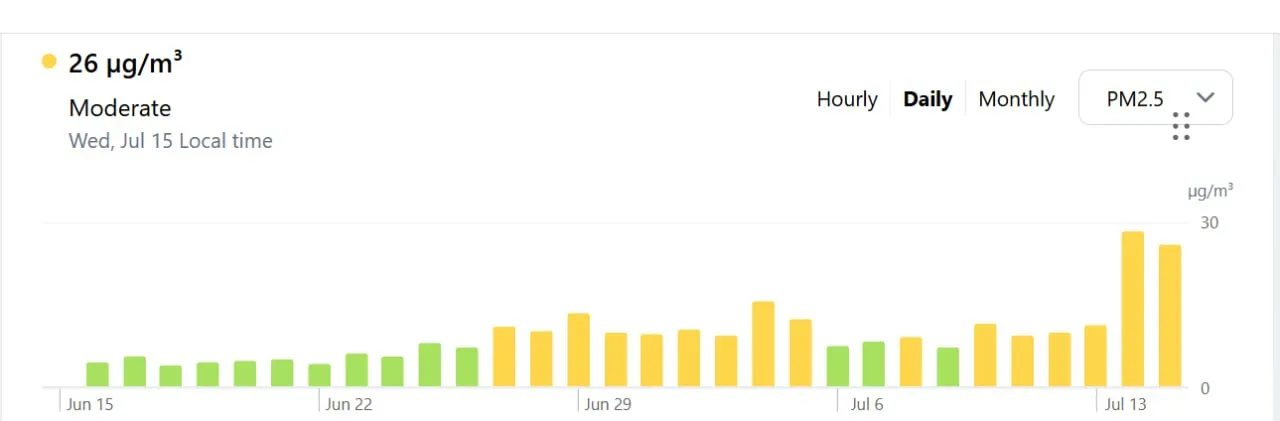
Image Credits- IQAir USA
Air Quality Timeline During Canadian Wildfire Smoke Events
In July 2026, smoke from Canadian wildfires significantly affected air quality across Massachusetts, prompting the Massachusetts Department of Environmental Protection (MassDEP) to issue a statewide Air Quality Alert. Fine particulate matter (PM2.5) from the wildfire smoke caused air quality to deteriorate throughout the state, particularly across the Greater Boston area.
During the smoke event:
- AQI 0–50 (Good): Air quality before and after the smoke event was generally in the "Good" category.
- AQI 51–100 (Moderate): Many parts of Massachusetts experienced moderate air quality as smoke began moving into the region.
- AQI 101–150 (Unhealthy for Sensitive Groups): Most of the state, including the Boston metropolitan area, was forecast to remain in this category during the peak of the event. Children, older adults, and people with heart or lung conditions were advised to limit prolonged outdoor activities.
- AQI 151–200 (Unhealthy): Some localized areas experienced short periods of unhealthy air quality as smoke concentrations increased and shifted with changing wind patterns.
How Boston Airport Express Is Adapting
At Boston Airport Express, passenger safety and reliability are paramount. During smoke events, we:
- Monitor air quality and visibility closely to maintain service.
- Ensure our vehicles have strong filtration systems.
- Communicate proactively with customers about any potential delays.
- Encourage pre-booking to avoid last-minute rushes tied to flight disruptions.
We've successfully operated through past smoke episodes, helping thousands reach Logan without added stress. Our goal remains simple: get you there safely and on time, regardless of the challenges Mother Nature throws our way.
Explore More- Best Road Trips from Boston Using Our Long-Distance Car Service
Looking Forward
Canadian wildfires underscore the interconnectedness of our environment and transportation networks. As these events become more frequent, collaboration between agencies, transportation providers, and the public will be key. Investing in resilient infrastructure, better air quality forecasting, and sustainable practices can help mitigate impacts.
If you're traveling to or from Boston Logan amid these conditions, consider letting Boston Airport Express handle the drive. Skip the hassle of driving in reduced visibility and focus on your journey.
Stay safe on the roads, Massachusetts. We'll keep you moving forward.
For the latest schedules and bookings, visit our site or contact Boston Airport Express. Follow air quality updates from official sources.